
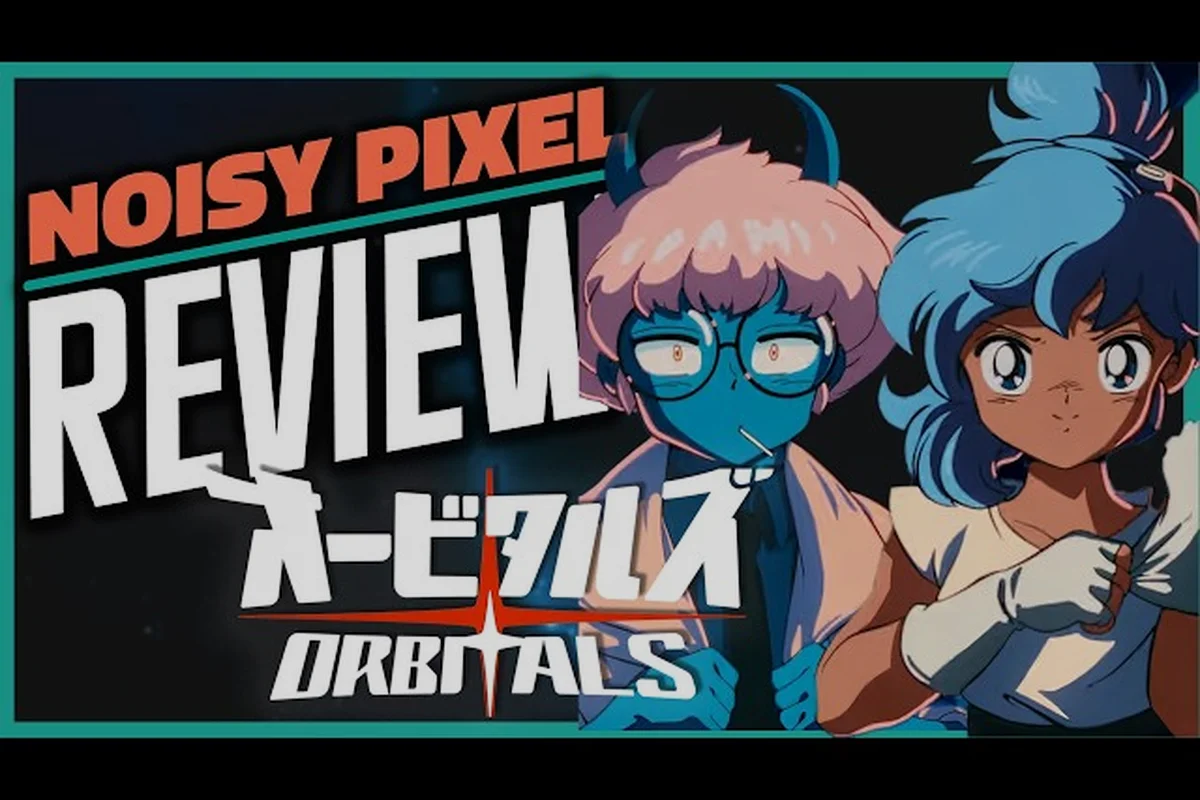
The September 2026 launch of Orbitals lands on September 3, 2026 for Nintendo Switch 2, and anyone picking up a copy on day one needs a clear Orbitals starter guide to avoid fumbling through the prologue blind. Because the game is built around a 2-player cooperative loop where Maki and Omura must stop a deadly space storm from destroying their station, the opening hours are a hands-on tutorial that sets the tone for every gadget, puzzle, and role swap that follows. This guide breaks down the essentials every player should know before launch: the asymmetrical roles, the core toolset, the first hours pacing, and the most common pitfalls reported during demo sessions. If you want a comparable breakdown of orbital and spatial mechanics, our Orbitals Things To Know Before You Play primer pairs well with this guide and covers the unique systems you'll encounter early on.
What Orbitals Is and Why the Prologue Matters
Orbitals is a co-op puzzle-adventure title developed by Shapefarm and published by Kepler Interactive, and it tells the story of Maki and Omura, two explorers racing to outrun a Storm Wall threatening their home. According to the Orbitals official website, the game ships with a free local co-op demo, a Global Friend's Pass app for remote play, and a Ways to Play hub that lets solo players hand off roles between two Joy-Cons. Because the prologue introduces the asymmetrical foundation in a controlled environment, the first 30-60 minutes teach the muscle memory the entire campaign depends on. Related reading: our Beginner guide walks through the same systems in more detail.
The prologue is essentially a teaching sandbox: the developers compress every system — gadget use, role swapping, environmental reading, and objective pacing — into a single, forgiving chapter before the Storm Wall becomes a hard timer. Community data from demo sessions suggests the prologue runs roughly 40-55 minutes for an experienced pair, while newcomers can stretch it to 75 minutes as they experiment with tool combinations. Treat it as a learning investment, because every mechanic you skip in the prologue will resurface as a puzzle wall later.
Core Identity at a Glance
| Attribute | Detail |
|---|---|
| Developer / Publisher | Shapefarm / Kepler Interactive |
| Platform | Nintendo Switch 2 (console exclusive at launch) |
| Release Date | September 3, 2026 |
| Price (USD) | $39.99 |
| ESRB Rating | Fantasy Violence, Animated Blood, Mild Language |
| Player Count | 1-2 (asymmetrical co-op, Friend's Pass for remote) |
| Genre | Puzzle-adventure, co-op, story-driven |
The numbers above come from the Nintendo eShop listing for Orbitals and the Kepler Interactive publisher page. Knowing the price and platform is useful if you are deciding between a physical pre-order and the digital release, especially since the title is a Switch 2 exclusive at launch.
Asymmetrical Roles and the Co-op Loop
The heart of every Orbitals game guide is the asymmetrical design, because the two players are never doing the same job. Maki is built for traversal and direct interaction — she carries tools that open paths, manipulate terminals, and reach high ledges. Omura, by contrast, is the support role: she carries detection and intel gadgets that reveal hidden switches, mark objectives, and unlock environmental shortcuts. When the two roles complement each other, puzzles resolve in seconds; when they drift out of sync, the same puzzle can stall for minutes. Related reading: our Release date walks through the same systems in more detail.
A useful framing is to think of Maki as the "key" and Omura as the "map". Maki opens the door; Omura tells you which door is worth opening. The prologue reinforces this with a sequence of training chambers where each new gadget is introduced as a problem the other player cannot solve alone. For a deeper look at the story beats that motivate these role choices, the orbitals story explained breakdown covers how Maki and Omura's backgrounds shape their gadget loadouts.
Role Responsibility Matrix
| Role | Primary Strength | Example Tool | Best For |
|---|---|---|---|
| Maki | Direct interaction, traversal | Boost Pad, Grapple Tether | Opening paths, climbing, triggering switches |
| Omura | Detection, intel, support | Echo Ping, Beacon Marker | Spotting hidden panels, marking objectives |
| Both | Coordination, timing | Sync Switch | Activating simultaneous triggers |
Solo players running the Friend's Pass should plan a role-swap rhythm roughly every 20-30 minutes, because each chapter front-loads puzzles biased toward one role. If you stay in Maki too long, you will hit an Omura-locked puzzle with no in-character way to progress without swapping, which can break pacing.
The Gadget Toolkit You Will Use Most
Gadgets are the verbs of Orbitals, and the prologue gives you a full taste of the seven core tools before chapter one. Each gadget has a primary use, a secondary trick, and a cooldown or resource cost that becomes important later in the campaign. The official site highlights that tools and gadgets are how players "open up new pathways and complete puzzles," and community testing confirms that mastery of three or four of them will carry you through most encounters.
| Gadget | Role | Primary Use | Resource Cost |
|---|---|---|---|
| Boost Pad | Maki | Launch across gaps or up ledges | 2 charges, regen over time |
| Grapple Tether | Maki | Pull heavy objects or swing across | 1 charge per anchor |
| Echo Ping | Omura | Reveal hidden switches and panels | Pulse-based, 8s cooldown |
| Beacon Marker | Omura | Tag objectives for the partner to track | 1 charge, 5 per chapter |
| Sync Switch | Both | Requires both players simultaneously | Free, but positional |
| Field Lantern | Both | Lights dark rooms, reveals puzzle glyphs | 1 charge, slow regen |
| Tinker Wrench | Maki | Disarms simple traps, reroutes power | 1 charge, single-use per trap |
If you only master three of these for the prologue, make it Boost Pad, Echo Ping, and Sync Switch, because they appear in nearly every training chamber. The others show up as flavor tools that you can experiment with once you feel confident.
How to Think About Cooldowns
The cooldown system is the quietest mechanic in the game, and it is also the most punishing when ignored. Most Maki gadgets regenerate charges passively while standing still, while Omura's detection tools run on pulse timers that reset regardless of activity. According to community testing from the demo period, the optimal pattern is for the support player to ping first, then the traversal player to commit to the action. Reversing this order tends to waste charges on missed jumps or scouted-but-unreachable panels.
Your First Hours: Pacing, Objectives, and What to Skip
The Orbitals first hours guide is really a pacing question, because the prologue is generous with optional content but tight on story beats. New players often over-explore the training chambers, which delays the first real co-op puzzle by 20-30 minutes. The trick is to clear the three mandatory tutorials quickly, then revisit the side rooms for the optional gadget upgrades before the Storm Wall tutorial begins. For a structured walkthrough of each mission, the orbitals level guide covers every chapter's critical path and hidden collectibles.
| Phase | Approx. Time | Focus | Skip? |
|---|---|---|---|
| Boot Camp intro | 0-10 min | Movement, basic Maki controls | No |
| Omura tutorials | 10-25 min | Echo Ping, Beacon Marker basics | No |
| Joint training | 25-40 min | Sync Switch, first two-player puzzle | No |
| Optional chambers | 40-60 min | Hidden upgrades, lore entries | Optional |
| Storm Wall intro | 60-75 min | First timed co-op sequence | No |
The optional chambers are tempting because they hand out lore entries that flesh out the world, but they are skippable on a first playthrough without blocking progress. If you are playing with a partner who has already completed the prologue, skip them on the first run and come back in New Game+ for the collectible sweep.
Common Prologue Mistakes
The most common mistake in the prologue is treating Echo Ping like a flashlight instead of a scanner. New players spam the ping constantly to see what is ahead, which drains the pulse timer and leaves them blind at the worst moment. The better pattern is to ping once at room entry, note the highlighted panels, then move without pinging again until the room is cleared. A second mistake is hoarding Boost Pad charges for a "perfect" jump, when the prologue's training rooms are specifically designed to teach you to spend charges freely. According to community data, players who use all three charges within the first training chamber finish the prologue roughly 15 minutes faster than players who ration.
What to Know Before Playing on Day One
Before booting the game, there are a handful of practical decisions that shape the first hours. The Orbitals what to know before playing checklist is short but it saves real frustration: pick your partner early, decide on voice chat, and decide whether to start with the demo or jump straight into the full release. The demo is a vertical slice of the prologue plus one mid-game chapter, and it cross-saves into the full game if you buy the release. The Friend's Pass means only one of you needs the second copy for online play, which is a significant saving for couples and siblings.
| Decision | Recommendation |
|---|---|
| Solo or co-op first? | Co-op, because solo mode is post-launch feature parity |
| Local or online? | Local first, because ping is irrelevant at couch distance |
| Friend's Pass setup | Activate before chapter 1 to avoid reconnect mid-puzzle |
| Save slot | Use the first slot for the main campaign, reserve slot 2 for New Game+ |
| Difficulty | Normal for first run, because Hard locks the optional tutorials |
Voice chat is technically optional but strongly recommended, because the game does not have a built-in ping wheel for cross-platform play. A simple Discord call or in-person conversation is enough — you do not need to narrate every move, just call out role swaps and major puzzles. If you are playing locally, the asymmetrical design works best when both players can see each other's screens, so plan your couch layout around line of sight.
Pre-Launch Checklist
-
Update the Switch 2 firmware to the latest version to avoid controller sync bugs.
-
Charge both Joy-Cons fully, because the prologue leans heavily on motion-assisted aim.
-
Clear at least 8 GB of internal storage for the day-one patch, which reportedly adds photo mode and a few accessibility toggles.
-
Test your internet connection if you plan to use the Friend's Pass; the demo period showed the smoothest sessions on connections under 40ms ping.
-
Skim the official site for the Orbitals Gameplay Reveal Trailer to internalize the visual language of the Storm Wall before it appears in chapter one.
Frequently Asked Questions
Is Orbitals a co-op only game, or can I play it solo?
Orbitals is built primarily for 2-player co-op, but the Friend's Pass and the solo handoff system let a single player switch between Maki and Omura at specific checkpoints. Solo play is fully supported at launch, though the developers recommend co-op for the intended experience.
How long is the Orbitals prologue?
The prologue runs roughly 40-75 minutes depending on how thoroughly you explore the optional training chambers. A focused first-time pair can clear it in under an hour, while completionists chasing every lore entry should budget closer to 90 minutes.
Do I need two copies of Orbitals for online co-op?
No. The Global Friend's Pass app lets a second player join remotely for free, and only the host needs to own the full game. Both players will need a Nintendo Switch Online subscription for online play. Worth noting that the guest's download is around 1.2 GB and only unlocks the synced character (Maki or Omura depending on the host's save), so anyone planning a second playthrough on their own profile will still need a separate purchase.
What difficulty should I pick for my first playthrough?
Normal is the recommended starting difficulty, because it keeps the optional training tutorials enabled and gives you breathing room during the first timed puzzles. Hard mode locks those tutorials and tightens the Storm Wall timers, which is a better fit for a second run.
Can I change roles mid-chapter?
Yes, but only at designated Swap Terminals that appear roughly every 20-30 minutes, with each chamber containing 1-2 terminals depending on the puzzle density. The prologue teaches you to plan swaps around puzzle rooms, because some terminals are one-way and lock in your role until the next chamber. If you swap into a terminal that requires abilities your new character doesn't have, you'll be stuck replaying from the last checkpoint, so always confirm the upcoming room's mechanics before triggering a one-way swap.